
Value (Val): Teaching the Brain That Effort and Contribution Matter
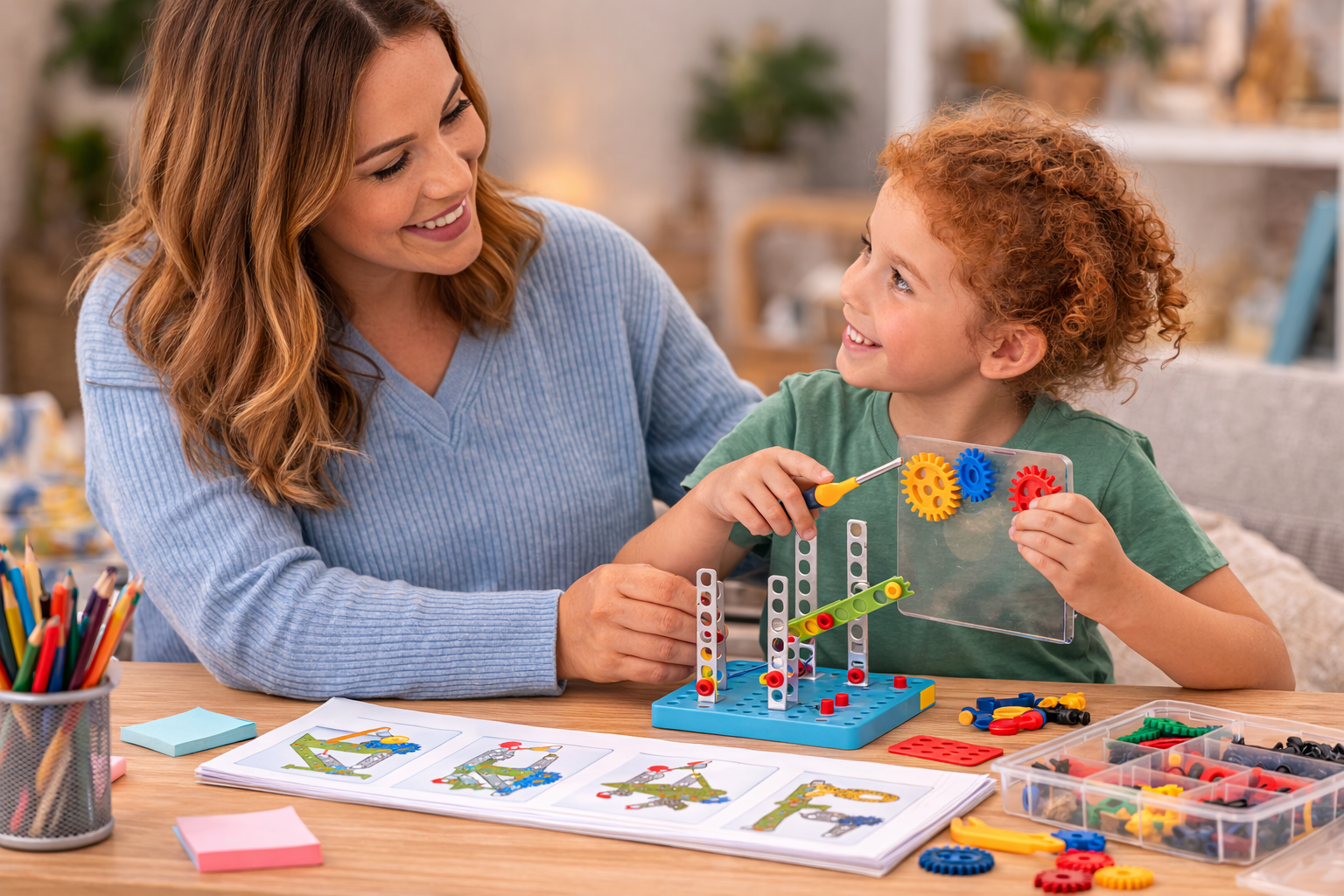
Every child quietly wonders something important:
“Do I matter here?”
Value is one of the Seven Essential Needs because it teaches the brain that a child’s presence, effort, and contribution matter. When children receive Val, they begin to understand that they are not invisible. Their actions have impact, their voice has meaning, and their effort has purpose.
Value teaches the brain an essential life skill: what we do matters, and the effort we give creates change.
When Value is supported, children develop motivation, responsibility, and confidence because the brain learns that effort connects to meaning.
When Value is missing, the nervous system still tries to answer the same question: Do I matter?
Some children try to become louder to be noticed.
Others shrink and disappear because they believe their presence does not make a difference.
Both are signs the brain is searching for Value.
Why Value Matters for the Brain
Value strongly supports dopamine, the neurotransmitter responsible for motivation, reward, and goal-directed behavior.
When children feel valued:
Effort begins to feel meaningful
Motivation increases
The brain connects effort with impact
Children take ownership of their actions and responsibilities
When Value is missing, the brain may begin forming beliefs such as:
“No one notices me.”
“What I do doesn’t matter.”
“I have to act out to be seen.”
Instead of feeling motivated to contribute, the brain begins seeking attention in any way possible.
Signs Your Child May Need Val
Children often communicate a Value deficiency through behavior.
You may notice:
Constant attention-seeking or interrupting
Complaints that “no one notices me”
Giving up quickly when something feels difficult
Avoiding challenges or withdrawing from participation
Over-achieving only to receive recognition
These behaviors are signals the nervous system is searching for evidence that their presence matters.
Emotional Roots of Feeling Unseen
Children develop their sense of value through daily interactions. When praise only focuses on performance or outcomes, children may begin believing their worth depends on results rather than effort.
Common emotional patterns include:
Praise only for achievements like grades or sports
Effort going unnoticed
Comparisons to siblings or peers
Recognition only when behavior is problematic
Over time, the brain may begin associating attention with performance or misbehavior rather than contribution.
Physical Roots of Feeling Unseen
The body also plays a role in how the brain registers Value. Children learn they matter through physical signals of acknowledgment:
Eye contact
Smiles
Tone of voice
Physical closeness or touch
When these signals are limited, the nervous system may struggle to register belonging and importance. For some children, behaviors like tantrums or disruption become the fastest way to secure attention.
Even negative attention still answers the brain’s question: “Am I noticed?”
Cognitive Roots of Feeling Unseen
Children may begin forming internal beliefs when Value is missing.
Examples include:
“I’m invisible.”
“No one cares what I do.”
“Trying won’t change anything.”
When these beliefs develop, motivation begins to collapse because the brain no longer connects effort with impact. Instead of trying again, children may withdraw or stop participating.
The Whole Picture
A deficiency in Value is not simply about confidence or attention. It is about whether the nervous system feels recognized enough to believe that effort, contribution, and presence matter.
Emotional disconnection may cause children to seek attention through disruption or withdrawal.
Physical stress may lead the body to react loudly because negative attention still satisfies the brain’s need to be noticed.
Cognitive beliefs may form that effort does not matter, causing motivation to collapse.
When Value is present, the brain learns that contribution creates impact. Effort begins to feel meaningful, motivation increases, and children become more willing to participate, try new things, and take ownership of their actions.
Helping Your Child Build Value
One of the simplest ways to support this need is by helping your child check in with Val, the Brain Buddy who represents Value. When children learn to recognize moments when they want to be seen, acknowledged, or appreciated, they begin understanding that their presence and effort already matter.
The Brain Buddy System helps children practice this awareness in a clear and supportive way.
🌿 By helping your child check in with Val regularly, you are teaching their brain that effort creates impact, contribution matters, and their presence in the world has value.
