
Honesty (Hon): Creating a Safe Pathway for Truth and Expression
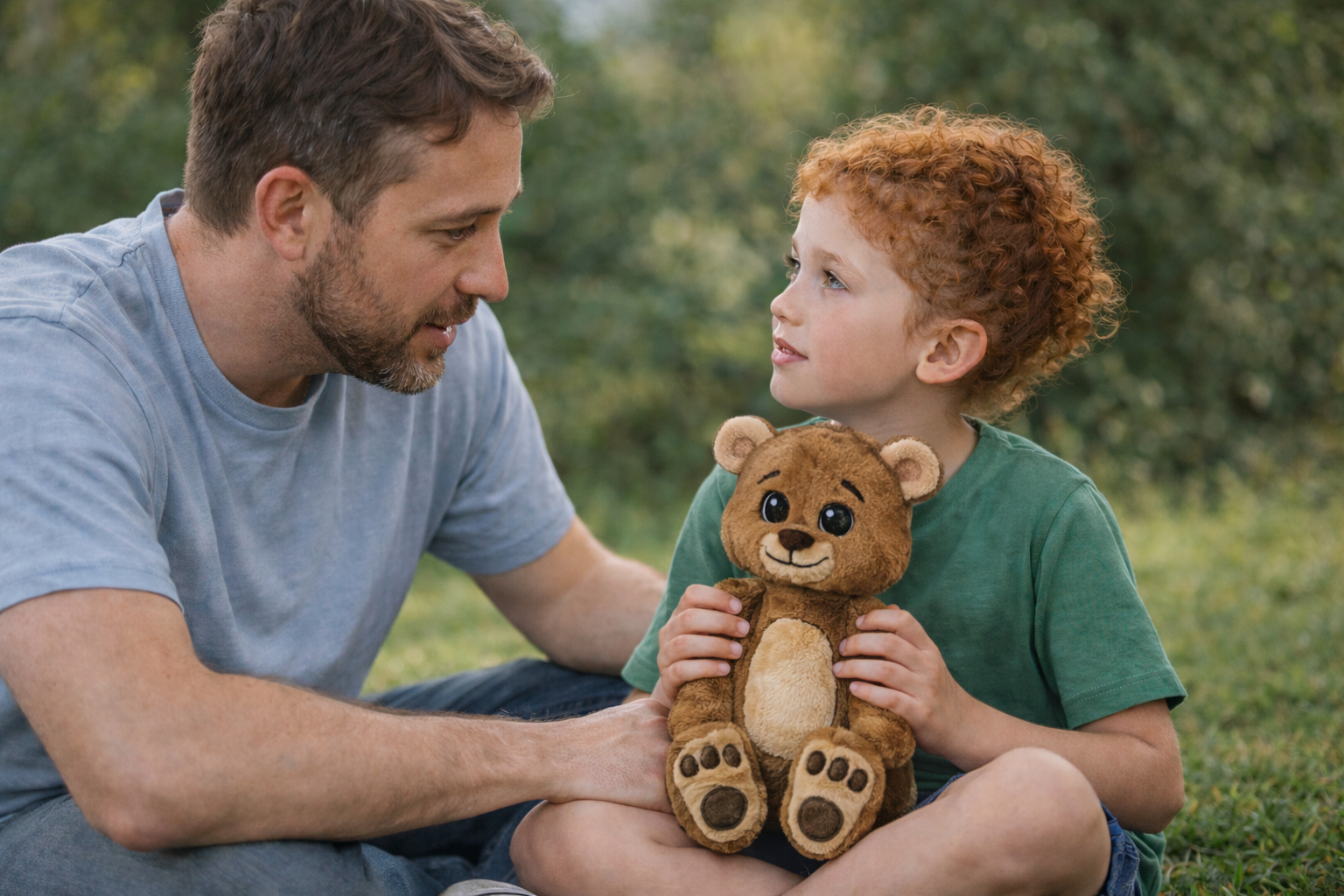
Every child is trying to answer an important question:
“Is it safe to show what’s real inside of me?”
Honesty is one of the Seven Essential Needs because it teaches the brain that truth, emotions, and expression are safe to share.
When children receive Hon, they learn that their thoughts and feelings are allowed to exist without fear of punishment, rejection, or shame.
Honesty teaches the brain an essential life skill:
what we feel and experience can be expressed safely.
When Honesty is supported, children develop emotional awareness, trust in relationships, and the ability to communicate their needs clearly.
When Honesty is missing, the nervous system still tries to answer the same question:
Is it safe for me to tell the truth?
Some children begin hiding their feelings to avoid conflict.
Others release emotions in sudden outbursts after holding them in too long.
Both are signs the brain is searching for Honesty.
Why Honesty Matters for the Brain
Honesty supports communication between the limbic system (emotions) and the prefrontal cortex (language and reasoning).
When children feel safe being honest:
Emotions become easier to express with words
The brain learns to process experiences accurately
Communication becomes clearer and more confident
Trust strengthens within relationships
When Honesty is missing, the brain may begin forming beliefs such as:
“If I say how I feel, I’ll get in trouble.”
“If I tell the truth, people will be upset with me.”
“It’s safer to hide what’s really going on.”
Instead of expressing their emotions clearly, the brain begins protecting itself through silence, avoidance, or emotional explosions.
Signs Your Child May Need Hon
Children often communicate an Honesty deficiency through behavior.
You may notice:
Avoiding questions about how they feel
Saying “I don’t know” or “nothing” when asked about emotions
Lying about small things out of fear of consequences
Withdrawing instead of sharing experiences
Emotional outbursts after holding feelings inside
These behaviors are signals the nervous system is searching for a safer way to express the truth.
Emotional Roots of Dishonesty
Children learn whether honesty is safe through everyday interactions.
Some emotional experiences that can disrupt this need include:
Strong reactions to mistakes
Feeling shamed for expressing emotions
Unpredictable responses from adults
Learning that honesty leads to conflict rather than understanding
Over time, the brain may begin associating truth with danger rather than connection.
Physical Roots of Dishonesty
The body also plays a role in how honesty develops.
When children anticipate conflict, the nervous system activates stress responses that make it physically harder to speak openly.
Stress hormones increase
The amygdala becomes more alert
Words become harder to find
For neurodivergent children, this stress response may lead to masking emotions or suppressing natural expression in order to avoid judgment.
Cognitive Roots of Dishonesty
When honesty feels unsafe, children may begin developing internal beliefs such as:
“I should keep things to myself.”
“Sharing feelings will make things worse.”
“No one wants to hear the truth.”
These beliefs disconnect emotions from communication. Instead of expressing their experiences clearly, the brain begins protecting itself through silence or avoidance.
How to Build Honesty
The goal of Hon is to help the brain understand that truth and expression are safe.
Parents can support this need by creating an environment where children feel comfortable sharing what is real.
Helpful strategies include:
Respond calmly when children share difficult emotions
Validate their experience before correcting behavior
Separate mistakes from identity
Model honesty by expressing your own emotions clearly
Create daily opportunities for open conversation
When honesty feels safe, children become more capable of expressing their feelings, asking for help, and communicating their experiences.
The Whole Picture
A deficiency in Honesty is not simply about telling the truth. It is about whether the nervous system feels safe enough to express what is real without fear of punishment, rejection, or misunderstanding.
Emotional stress may cause children to hide their feelings or release them in overwhelming bursts.
Physical stress may make honesty feel threatening to the body, leading to shutdown or avoidance.
Cognitive confusion may lead children to believe that truth causes conflict rather than connection.
When Honesty is present, the brain learns that expression does not threaten safety or belonging. Children become more capable of communicating their feelings, sharing their experiences, and trusting that their voice matters.
Helping Your Child Build Honesty
One of the simplest ways to support this need is by helping your child check in with Hon, the Brain Buddy who represents Honesty.
When children learn to recognize moments when they feel unsure how to express themselves or afraid to share what they feel, they begin understanding that honesty is a safe pathway rather than a risky one.
The Brain Buddy System helps children practice this awareness in a clear and supportive way.
🌿 By helping your child check in with Hon regularly, you are teaching their brain how to express emotions safely, communicate their needs clearly, build trust in relationships, and develop the confidence to share what is true.
