
Trust (Trey): Building the Brain’s Foundation for Safe Relationships
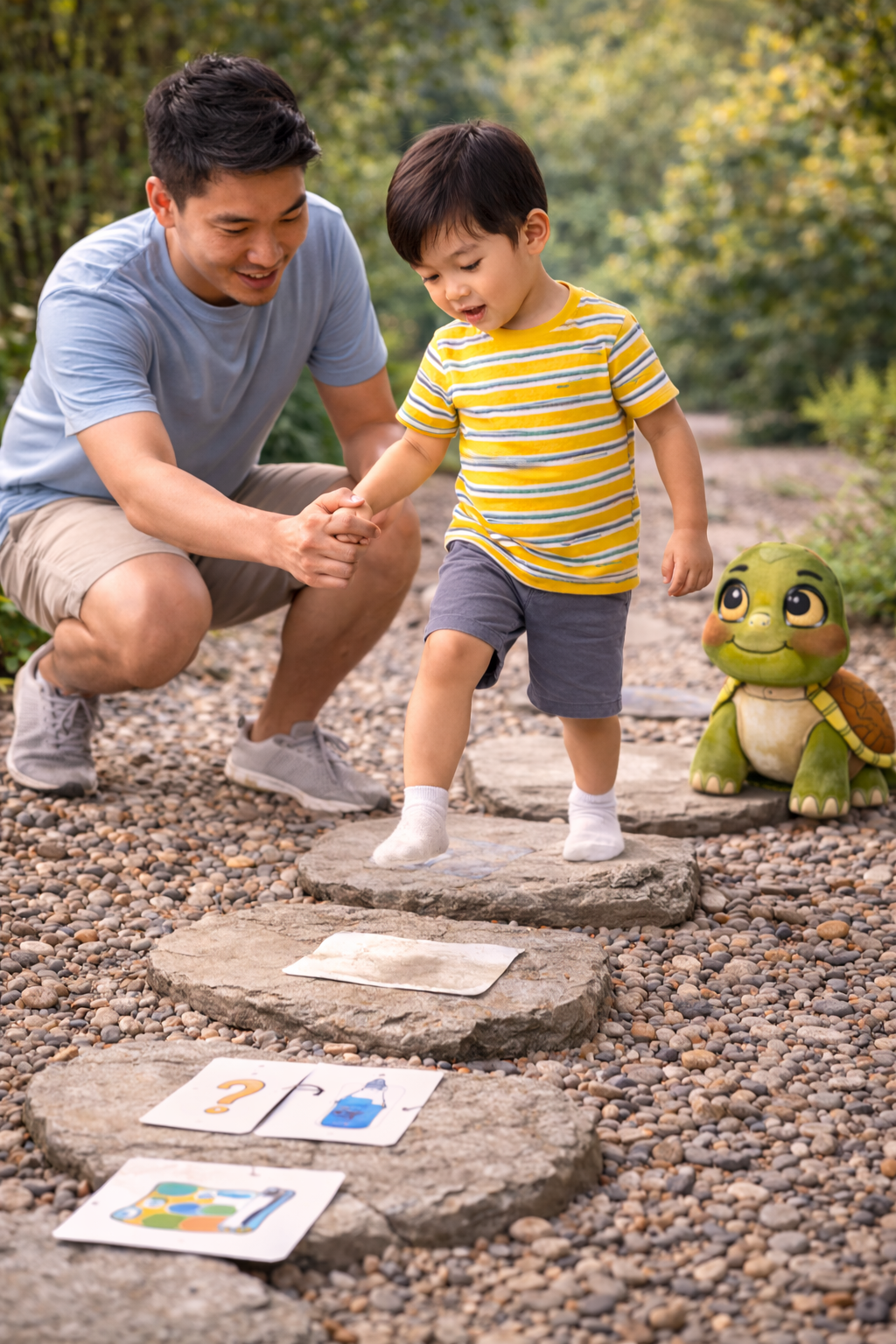
Every child is trying to answer an important question:
“Can I rely on the people around me?”
Trust is one of the Seven Essential Needs because it teaches the brain that relationships, promises, and support systems are dependable.
When children receive Trey, they learn that the people in their lives are consistent, reliable, and safe to depend on.
Trust teaches the brain an essential life skill:
relationships can be relied on.
When Trust is supported, children develop security, resilience, and confidence in their relationships.
When Trust is missing, the nervous system still tries to answer the same question:
Can I depend on anyone?
Some children become overly independent because they believe they must handle everything themselves.
Others constantly test boundaries because they are unsure if adults will truly follow through.
Both are signs the brain is searching for Trust.
Why Trust Matters for the Brain
Trust supports the brain’s stress regulation systems and strengthens connections between emotional and reasoning centers.
When children experience Trust:
The amygdala relaxes because relationships feel predictable
The nervous system feels safe relying on others
Children feel secure taking risks and trying new things
The brain becomes more open to learning and connection
When Trust is missing, the brain may begin forming beliefs such as:
“People don’t keep their promises.”
“I have to protect myself.”
“It’s safer to rely only on myself.”
Instead of feeling secure in relationships, the brain becomes guarded.
Signs Your Child May Need Trey
Children often communicate a Trust deficiency through behavior.
You may notice:
Constantly testing limits or boundaries
Difficulty relying on adults for help
Extreme independence at a young age
Suspicion or doubt even after reassurance
Strong reactions when promises are broken
These behaviors are signals the nervous system is searching for consistency and reliability.
Emotional Roots of Distrust
Children build trust through repeated experiences of reliability.
When relationships feel unpredictable, the brain may struggle to believe that support will remain consistent.
Common emotional influences include:
Inconsistent caregiving or discipline
Broken promises or unmet expectations
Feeling abandoned or unsupported
Experiencing betrayal or disappointment
Over time, the brain may begin expecting relationships to be unreliable.
Physical Roots of Distrust
The body also plays a role in how the brain registers trust.
Stress and unpredictability activate the nervous system’s protective responses, making it harder for children to relax into relationships.
Some physical influences include:
Chronic stress that keeps the nervous system on alert
Sensory overload that makes environments feel unsafe
Lack of calming presence or co-regulation
Unpredictable routines that disrupt a sense of stability
When the body feels unsafe, the brain becomes cautious about depending on others.
Cognitive Roots of Distrust
Children may begin developing internal beliefs when trust is repeatedly disrupted.
Examples include:
“I can’t depend on anyone.”
“People always let me down.”
“It’s better if I do everything myself.”
These beliefs create distance in relationships because the brain begins expecting disappointment.
How to Build Trust
The goal of Trey is to help the brain understand that relationships can be dependable.
Parents can support this need by creating consistent and reliable experiences.
Helpful strategies include:
Following through on promises, even small ones
Maintaining predictable routines
Acknowledging mistakes and repairing trust when needed
Providing calm, steady support during difficult moments
Showing consistency between words and actions
Over time, these repeated experiences teach the brain that relationships can be safe and reliable.
The Whole Picture
A deficiency in Trust is not simply about relationships. It is about whether the nervous system feels safe enough to rely on others and believe that support will remain consistent.
Emotional unpredictability may cause children to test boundaries or withdraw from relationships.
Physical stress may keep the nervous system guarded and alert.
Cognitive beliefs may convince children that relying on others leads to disappointment.
When Trust is present, the brain learns that relationships can be dependable. Children become more capable of relying on support, building healthy connections, and approaching life with confidence.
Helping Your Child Build Trust
One of the simplest ways to support this need is by helping your child check in with Trey, the Brain Buddy who represents Trust.
When children learn to recognize moments when they feel unsure whether they can rely on someone or something, they begin understanding that these experiences are opportunities to rebuild trust rather than withdraw from connection.
The Brain Buddy System helps children practice this awareness in a clear and supportive way.
🌿 By helping your child check in with Trey regularly, you are teaching their brain how to build safe relationships, rely on consistent support, develop confidence in others, and feel secure in connection.
